In a world where animal welfare is increasingly becoming a priority, it is essential that we address the challenges associated with caring for feral cats.
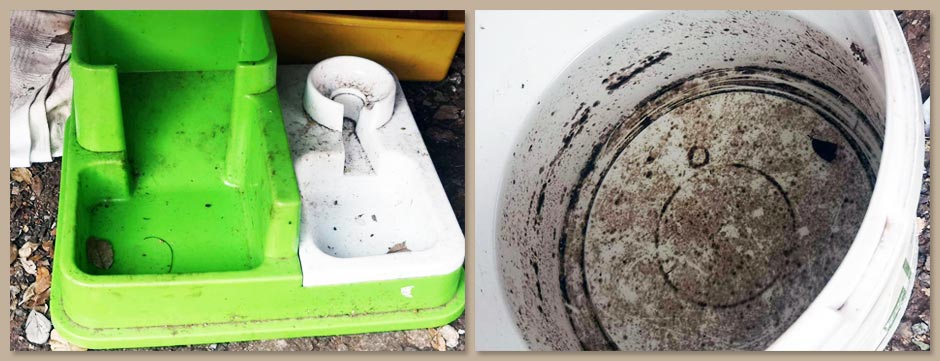
While the act of feeding and sterilizing these cats is commendable, it is disheartening to witness the negligence displayed when it comes to maintaining hygienic feeding stations.
This blog post aims to shed light on the importance of proper cat care, emphasizing the significance of clean feeding stations for feral cats.
The Heartbreaking Reality
Picture this: a group of dedicated individuals embarking on a mission to sterilize a feral cat colony, only to find their efforts undermined by unclean feeding stations.
We are grateful for the compassionate souls who provide sustenance to these cats, but we cannot fathom why they are content with allowing these animals to eat and drink from dirty bowls.
It takes just a few minutes to wash and rinse the bowls or, even better, replace them regularly and sanitize them at home.
However, this simple act is often overlooked, leaving these innocent creatures to consume their meals in unhygienic conditions.
Our Responsibility
As conscientious individuals who care about the welfare of feral cats, we have an inherent duty to ensure that these animals receive the best care possible, regardless of their circumstances.
When we engage in the act of trapping and sterilizing, it is only fitting that we go the extra mile to provide a clean and safe environment for these cats to nourish themselves.
By taking the time to wash and sanitize feeding stations, we are offering them a small but significant gesture of compassion.
Beyond the Basics
Washing the feeder, bucket, and bowls inside and out, and replenishing food after trapping, should become an integral part of our feral cat care routine.
These seemingly insignificant actions can have a profound impact on the overall well-being of these animals.
By providing them with clean feeding stations, we are not only preventing potential health issues but also acknowledging their worth as living beings deserving of dignity and respect.
The Bigger Picture
While some may argue that focusing on the cleanliness of feeding stations is an overly meticulous concern, we must remember that this issue extends beyond mere aesthetics.
Neglecting hygiene compromises the health of the cats we are trying to help.
By ensuring clean feeding stations, we reduce the risk of disease transmission and the spread of parasites, ultimately enhancing the quality of life for these vulnerable creatures.
Conclusion
Feeding and sterilizing feral cats is undoubtedly a challenging and time-consuming task.
However, it is our duty to address the concerning issue of unclean feeding stations, as it directly impacts the well-being of these animals.
By taking a few extra minutes to wash, rinse, or replace the bowls regularly, we display our commitment to providing feral cats with the care and respect they deserve.
Let us remember that even the smallest acts of kindness can have a lasting impact on the lives of those in need.
Together, we can create a better future for feral cats, one bowl at a time!